
Featured Research
Oxytocin Deficiency: A New Syndrome
In this paper published in Endocrine Reviews, Drs. Elizabeth A. Lawson (MGH neuroendocrinologist and principal investigator) and Anna Aulinas (former MGH postdoctoral fellow) summarize the current knowledge of oxytocin deficiency and implications for patients who have hypothalamic or pituitary disease. The MGB Pituitary Center is at the forefront of oxytocin deficiency research. We identified oxytocin deficiency in several conditions, including men with arginine vasopressin deficiency (formerly known as diabetes insipidus), associated with worse mental health. Our current studies focus on characterizing oxytocin deficiency in women with hypopituitarism, developing ways to diagnose oxytocin deficiency, and testing oxytocin replacement strategies.

Elizabeth A. Lawson, MD MMSc
Medical Management of Cushing’s Disease
Drs. Lisa B. Nachtigall (MGH) and Ursula B. Kaiser (BWH), both neuroendocrinologists, contributed to the assessment of international consensus guidelines for the medical management of Cushing’s disease at Pituitary Tumor Centers of Excellence, which includes both MGH and BWH. Despite its rare occurrence, Cushing’s disease can be associated with hypertension, obesity, lipid disorders, atherosclerosis, hypercoagulability, osteoporosis, diabetes mellitus, and immune and growth suppression, making effective medical treatment critical for those not cured surgically. Overall, the median control rate in patients with Cushing’s disease receiving medical treatment was 75%, highlighting the effectiveness of this option. Medications such as metyrapone and ketoconazole, which inhibit adrenal cortisol production, were the most commonly used medications, followed by pasireotide, which can inhibit the secretion of pituitary adrenocorticotropic hormone (ACTH) by pituitary tumors.
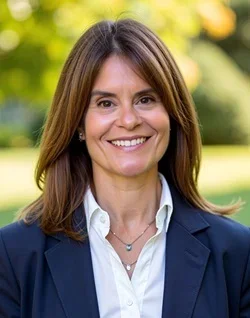
Lisa B. Nachtigall, MD

Ursula B. Kaiser, MD
Genetic Alterations in Pituitary Tumors
In this paper, published in Journal of the European Society, Dr. Ana Paula Abreu (a neuroendocrinologist at BWH and the principal investigator), Dr. Ticiana Paes (former research fellow at BWH), Dr. Dipika Mohan (Internal Medicine resident at Washington University), and their co-authors explore genetic alterations—specifically mutations and copy number changes—that may drive the formation and progression of pituitary tumors.
While pituitary adenomas are among the most common intracranial tumors, their underlying molecular mechanisms remain incompletely understood. This study highlights the role of tumor-specific genetic events in tumor development and proposes that genomic instability may contribute to tumorigenesis. The authors also demonstrate how the institution’s custom gene panels can play a key role in uncovering the genetic basis of pituitary tumors.
Dr. Abreu’s research is dedicated to identifying genetic causes of pituitary tumor formation. By leveraging next-generation sequencing, her work has advanced our understanding of the pathogenesis and clinical behavior of these tumors, with the ultimate goal of enabling more personalized treatment strategies.

Ana P. Abreu Metzger, MD PhD
Diagnosis of Oxytocin Deficiency
In this paper published in The Journal of Clinical Endocrinology & Metabolism, Drs. Wei Lin (visiting scholar, BWH), Timothy Smith (neurosurgeon, BWH), and Le Min (neuroendocrinologist and principal investigator, BWH), together with their coauthors, developed a novel machine‑learning model to predict resistance to first‑generation somatostatin analogues in patients with acromegaly. Medical therapy with octreotide and lanreotide is often used when surgery is incomplete or not feasible, yet only about half of patients achieve biochemical control with these agents. Alternative treatments—such as second‑generation somatostatin analogues, growth‑hormone receptor antagonists, and dopamine agonists—are available but carry different efficacy and cost profiles. By integrating clinical, biochemical, and imaging variables, the authors created and internally validated a user‑friendly calculator that effectively identifies individuals at high risk of treatment failure, enabling more personalized therapeutic decision‑making.
Dr. Min and colleagues are now planning prospective studies to validate the model in independent cohorts and to refine its predictive algorithm. Their ongoing work aims to ensure the tool’s generalizability across diverse clinical settings and to assess its impact on treatment selection, patient outcomes, and health‑economic metrics.
In this paper published in the European Journal of Endocrinology, Drs. Francesca Galbiati (BWH/MGH clinical and research endocrine fellow), Anna Aulinas (former MGH postdoctoral fellow), Elizabeth A. Lawson (MGH neuroendocrinologist and principal investigator) and colleagues investigated the use of intravenous kisspeptin (the primary trigger for reproductive function) as a possible diagnostic test to identify oxytocin deficiency. Oxytocin levels consistently increased 10 minutes after kisspeptin administration in healthy men, but not in women. These findings suggest that kisspeptin is a candidate for development of a diagnostic test for oxytocin deficiency in men. Dr. Lawson and colleagues are investigating several other possible diagnostic strategies for detecting oxytocin deficiency in both sexes. This could pave the way toward oxytocin replacement in patients with pituitary disease.

Francesca Galbiati, MD
Elizabeth A. Lawson, MD MMSc
Machine Learning–Based Prediction of First‑Generation Somatostatin Analog Resistance in Acromegaly

Le Min, MD PhD

Timothy Smith, MD PhD MPH
Distinct Genetic Alterations Drive Cushing’s Disease Versus Silent Corticotroph Adenomas
In this paper published in the Journal of Clinical Endocrinology and Metabolism, Dr. Ana P. Abreu and colleagues find that corticotroph adenomas comprise distinct molecular subtypes. USP8/USP48-mutant CD represents a low-CNV, low-risk group, whereas tumors harboring TP53/ATRX/DAXX mutations exhibit high CNV and aggressive clinical behavior. CNV and mutation profiling may assist in postoperative risk stratification.
Ana P. Abreu Metzger, MD PhD
Awards and Honors
Elizabeth Lawson, MD has been chosen to receive a Mass General Brigham Education Award for “Outstanding Mentor”. This award honors her substantial positive impact on the community and reflects the deep esteem of colleagues. Congratulations, Liz!
Ana Paula Abreu, MD, PhD has been appointed Clinical Practice Chair for ENDO 2026, the Endocrine Society’s Annual Meeting, which will be held in Chicago, Illinois, from June 13-15, 2026. Dr. Abreu collaborated with the meeting’s steering committee to restructure the program, expanding opportunities for clinicians to participate in and attend Meet-the-Professor sessions and other clinically focused presentations.
Lisa B. Nachtigall, MD has been awarded the Vigersky Outstanding Clinical Practitioner Award. This annual award recognizes extraordinary contributions by a practicing endocrinologist to the endocrine and/or medical community. Dr. Nachtigall is the Clinical Director of the Neuroendocrine Clinical Center at Massachusetts General Hospital (MGH) and an Associate Professor of Medicine at Harvard Medical School in Boston, Mass. In addition, she is the Director of MGH International Education Programs for the MGB/MGH Endocrine Division, and of the MGH/Harvard Medical School advanced clerkship in Clinical Neuroendocrinology. She has extensive clinical experience in all pituitary disorders, particularly acromegaly. She is an internationally recognized clinical expert, who speaks nationally and internationally and has published extensively in the field of pituitary care. She has co-founded and directs a visiting scholars program encouraging a pipeline of students and trainees in endocrine. She has been an impactful advocate for patients with rare disorders, including organizing educational programs for patients with acromegaly. She has served on multiple Endocrine Society committees and task forces
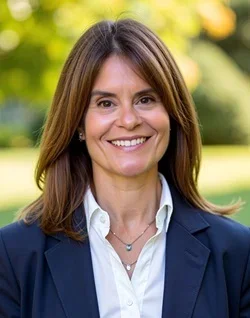
Ana Paula Abreu, MD, PhD has been awarded with the 9th Annual Gail Backus Endocrinology Faculty Clinical Teaching Award at Brigham and Women’s Hospital
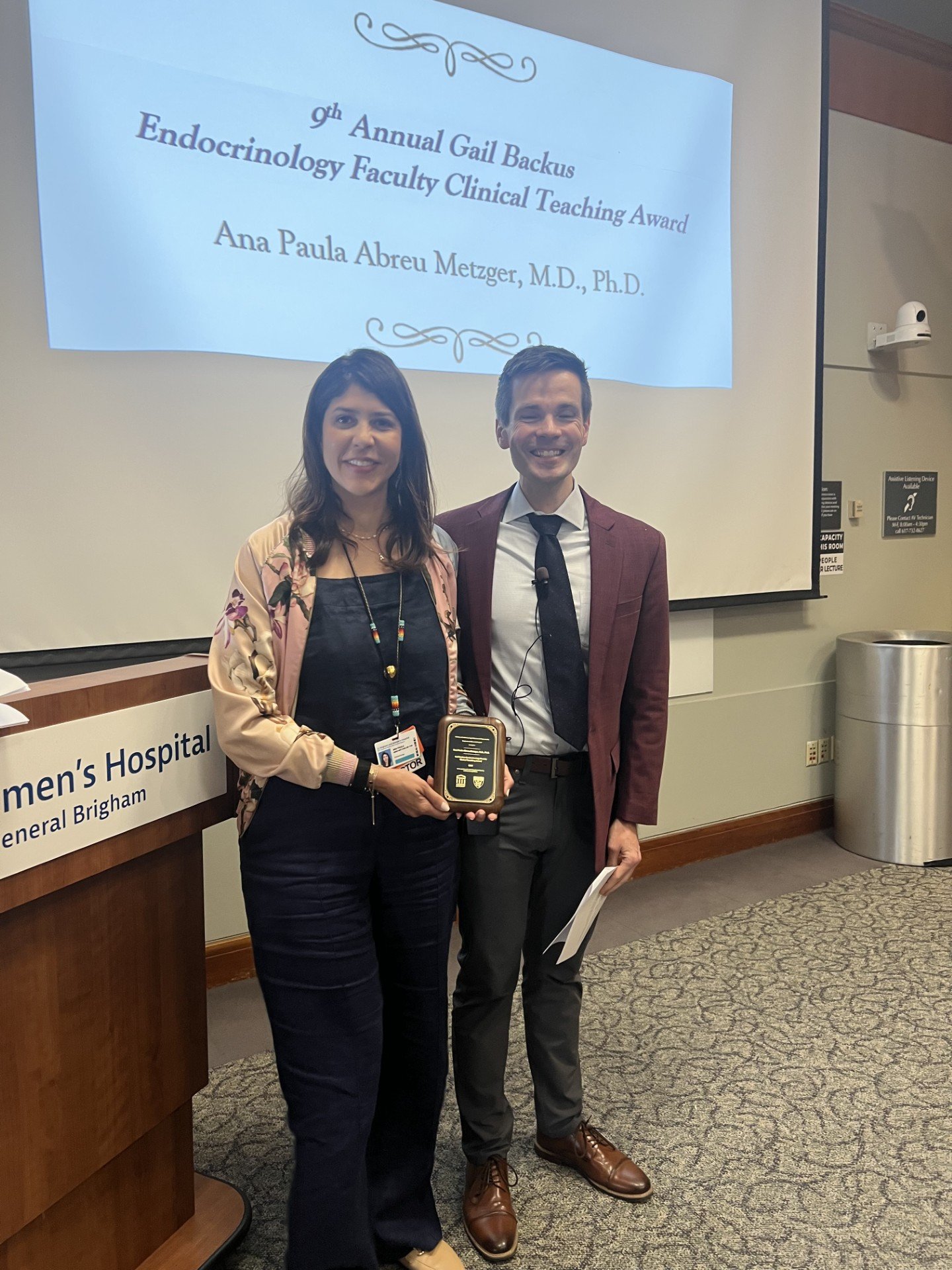
Dr. Abreu received the 9th Annual Gail Backus Endocrinology Faculty Teaching Award
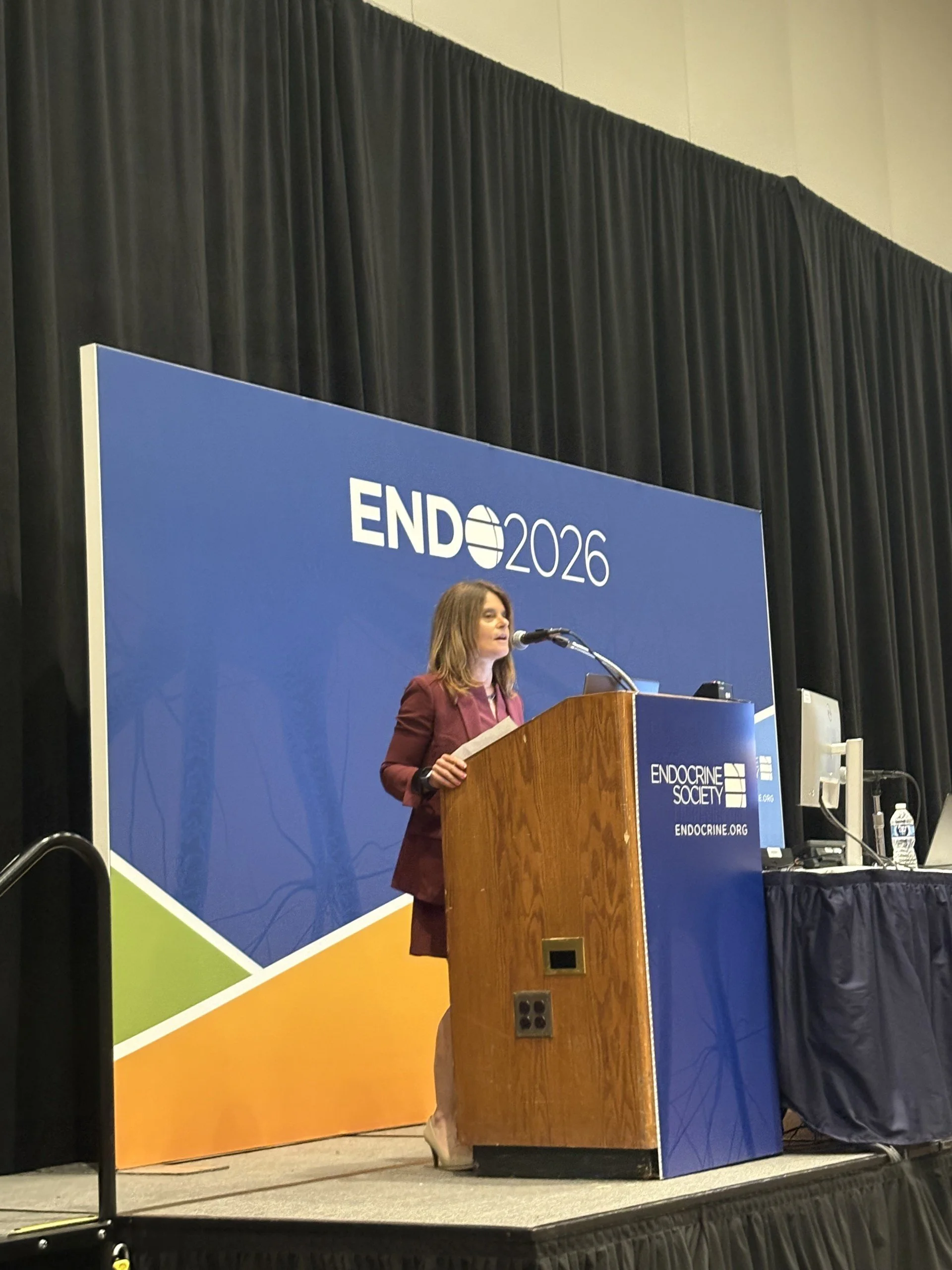
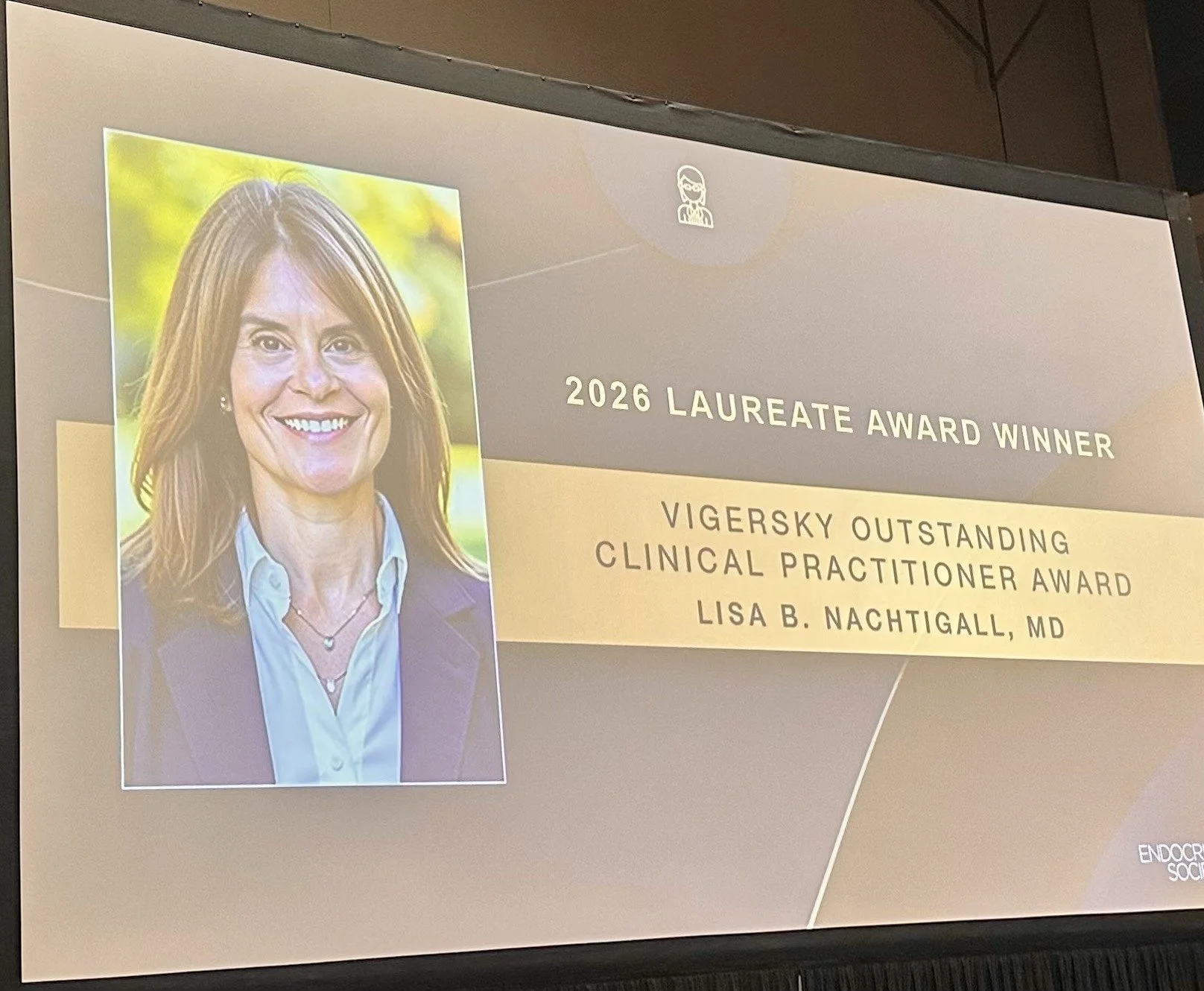
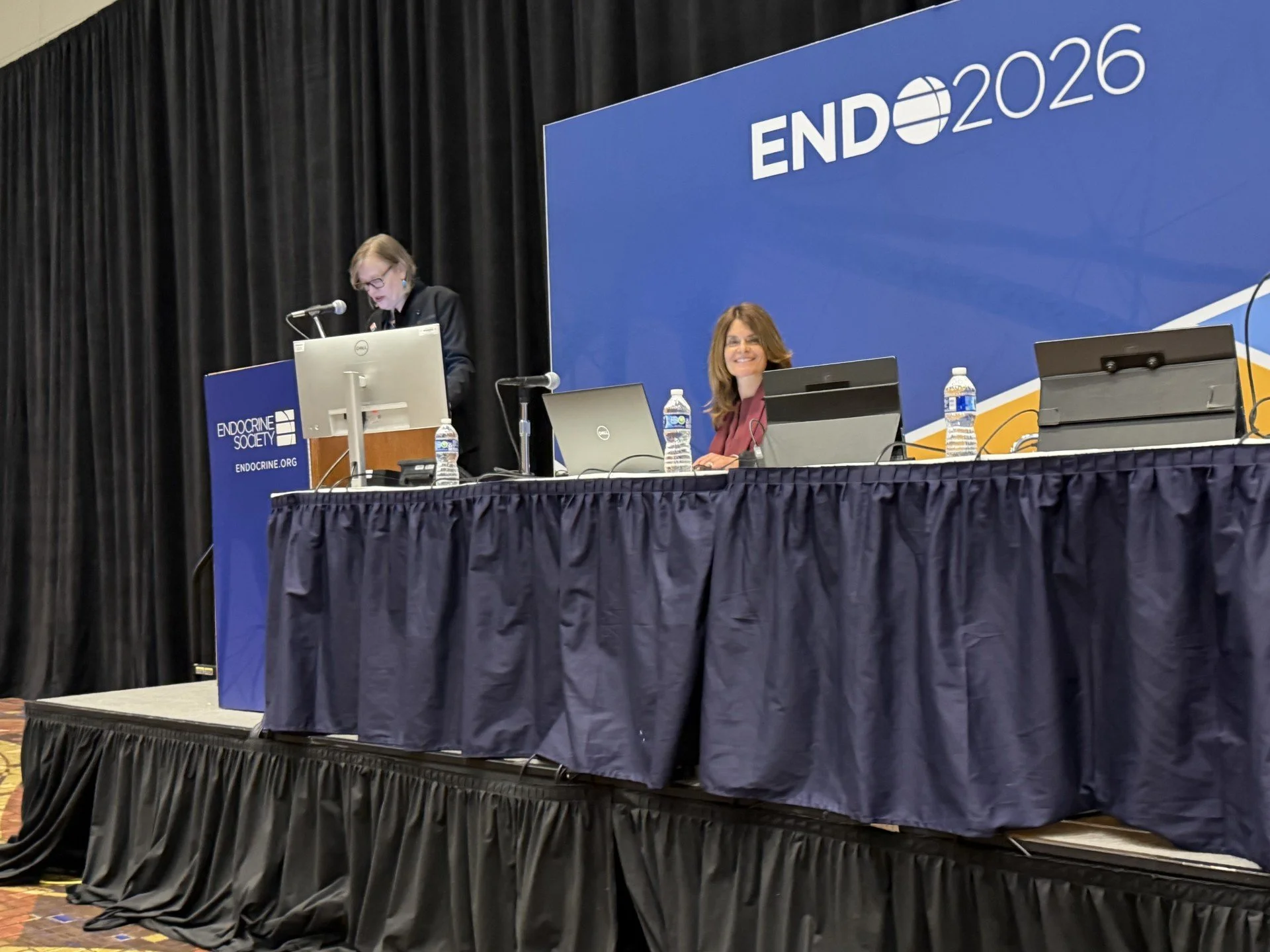
Dr. Nachtigall received the Vigersky Outstanding Clinical Practitioner Award at the 2026 Endocrine Society Conference